Agung Intiland, August 6, 2026
What is a Warehouse Management System (WMS)?
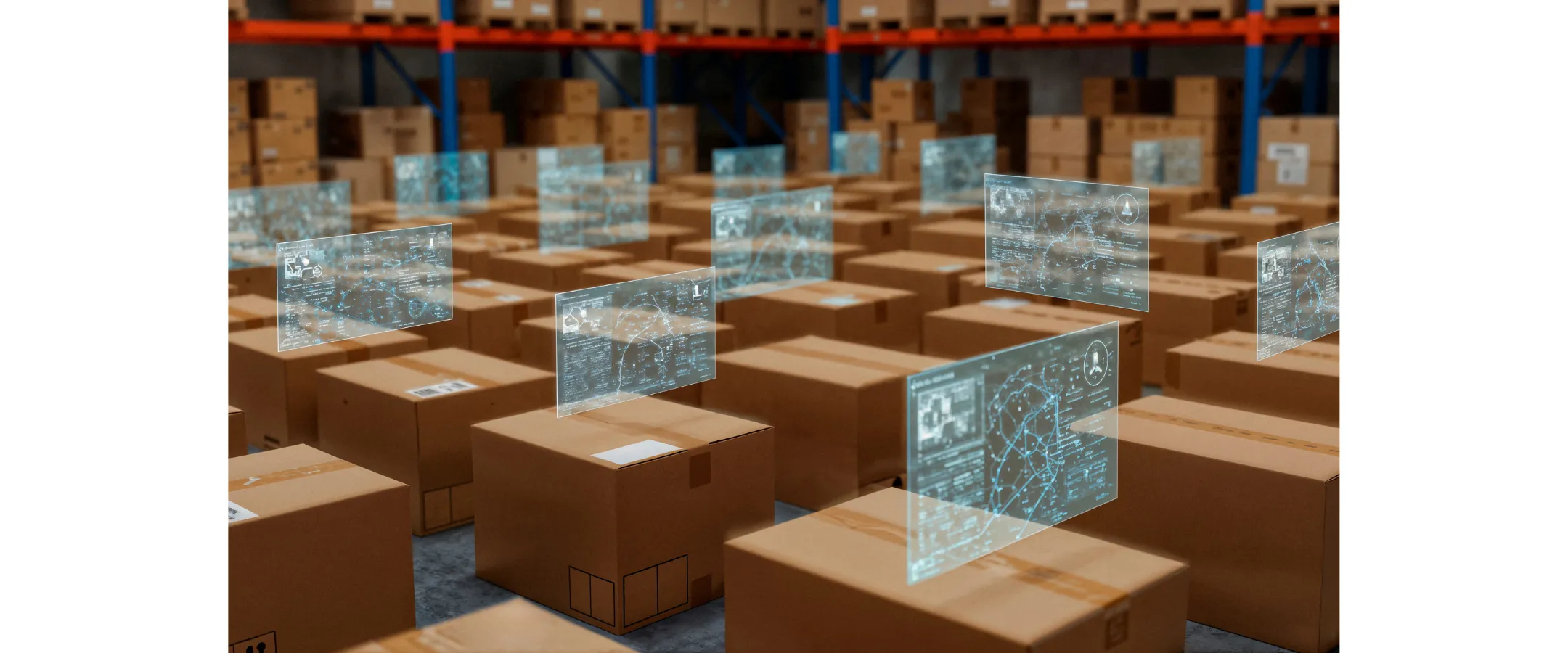
A Warehouse Management System or WMS is a software-based system designed to help companies manage all warehousing activities more effectively.
Starting from receiving goods, storage, stock management, picking, to delivery, all activities can be monitored in real-time through one integrated system.
Why Is WMS Important?
Amid the increasing volume of goods and the demands of rapid distribution, manual warehouse management is no longer enough.
WMS helps companies improve stock accuracy, reduce recording errors, speed up operational processes, and provide visibility into all warehouse activities.
As a result, the company can improve operational efficiency while providing better service to customers.
Do All Warehouses Need WMS?
Not all warehouses need complex systems. But for companies with high volumes of goods, multiple SKUs, or congested distribution activities, implementing a WMS can provide significant benefits.
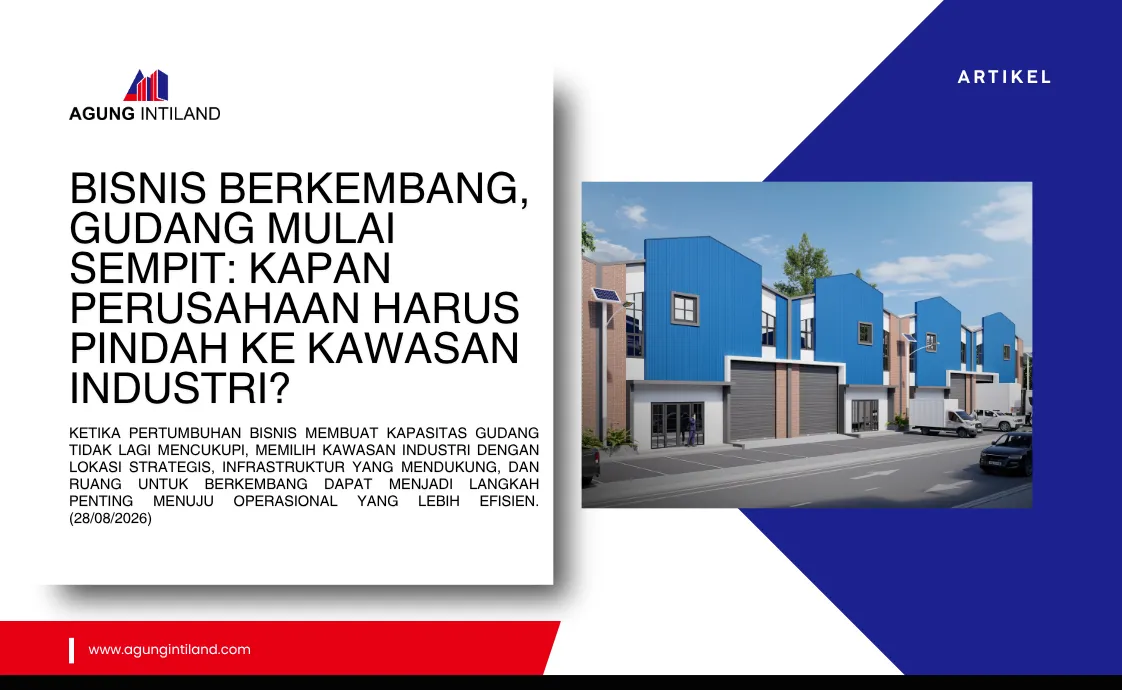
The success of WMS implementation is also influenced by the quality of warehouse facilities and operational locations that support logistics activities.
Modern Warehouses Need the Right Location
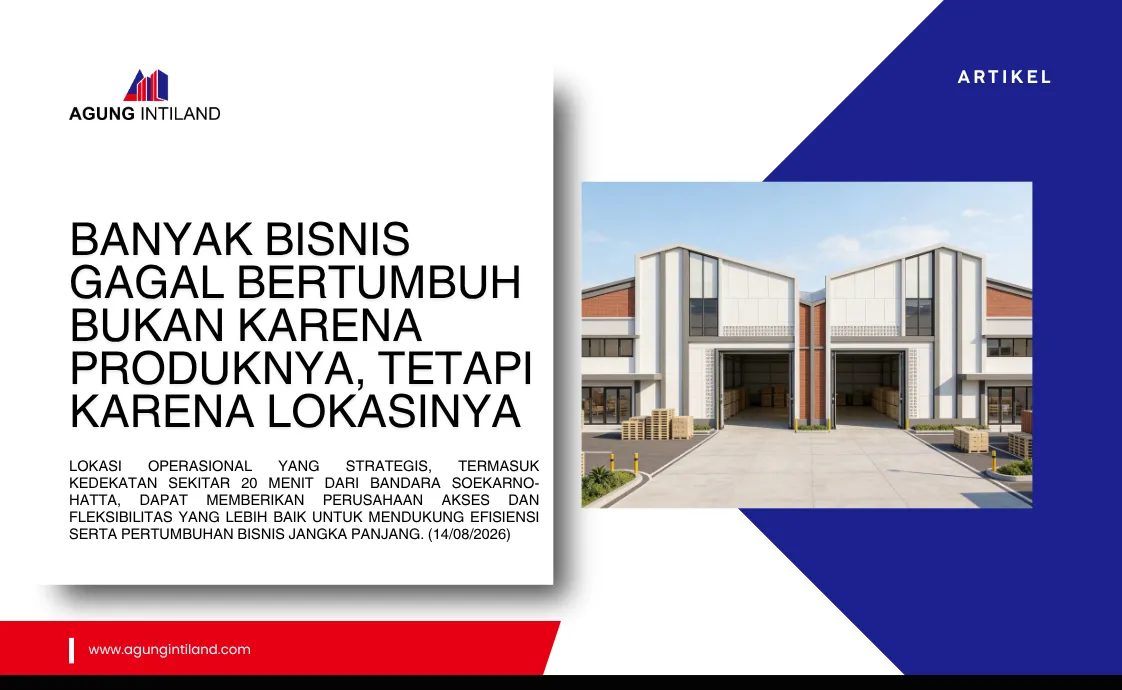
In addition to technology, companies also need areas that have adequate infrastructure and good connectivity.
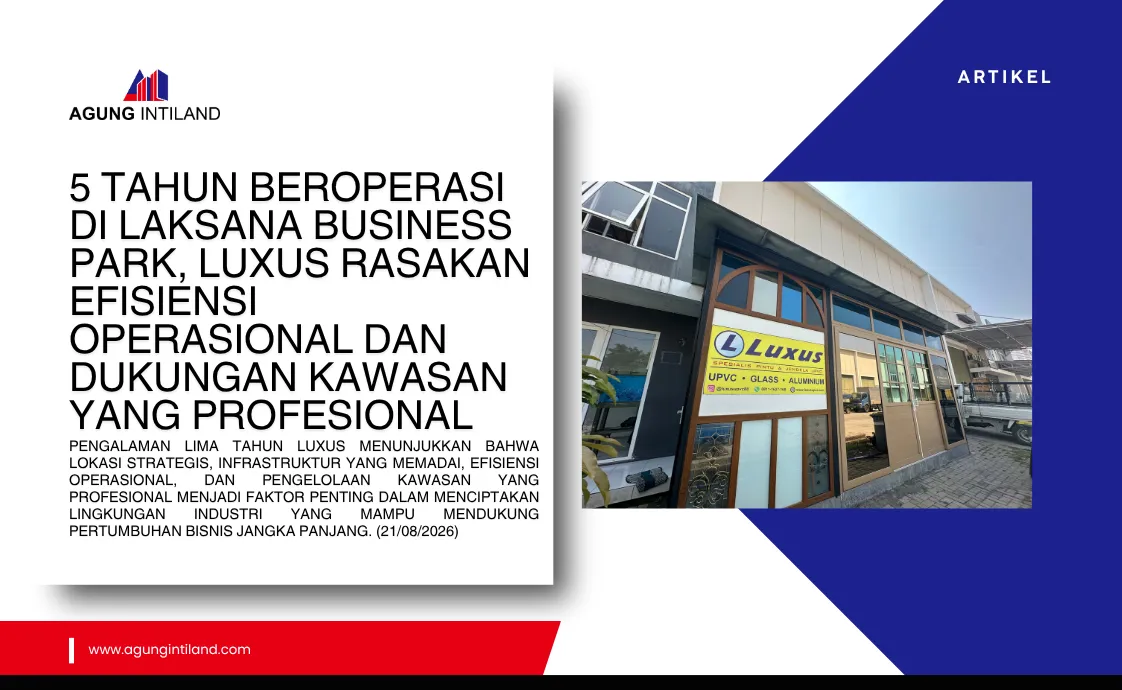
As an official industrial estate that already has an Industrial Estate Business License (IUKI), Laksana Business Park provides an environment that supports companies in developing modern warehousing systems, including the application of technology such as WMS.
With a combination of strategic locations, modern warehousing facilities, and a growing business ecosystem, companies can carry out digital transformation more optimally.
Conclusion
Warehouse Management Systems are no longer just an option, but have become one of the essential foundations for companies looking to improve efficiency and competitiveness. When combined with the right industrial estate, this technology can help companies build logistics systems that are faster, more accurate, and ready for future business needs. (JP)