In the world of logistics and distribution, warehouses play a crucial role as part of the supply chain. However, with the evolving business needs and technology, the concept of warehouses has also undergone significant transformation. Currently, businesses are faced with two main options: traditional warehouses and modern warehouses. Each has different characteristics, functions, and levels of efficiency.
This article will comprehensively discuss the differences between traditional warehouses and modern warehouses, and explain why modern warehouses are increasingly favored by players in the logistics, distribution, and e-commerce industries.
What is a Traditional Warehouse?
A traditional warehouse is a storage facility primarily designed to store goods for a certain period before distribution. This warehouse model generally evolves with the basic needs of conventional industries and trade.
Main characteristics of traditional warehouses:
Traditional warehouses are still widely used by small to medium businesses with relatively simple distribution flows.
What is a Modern Warehouse?
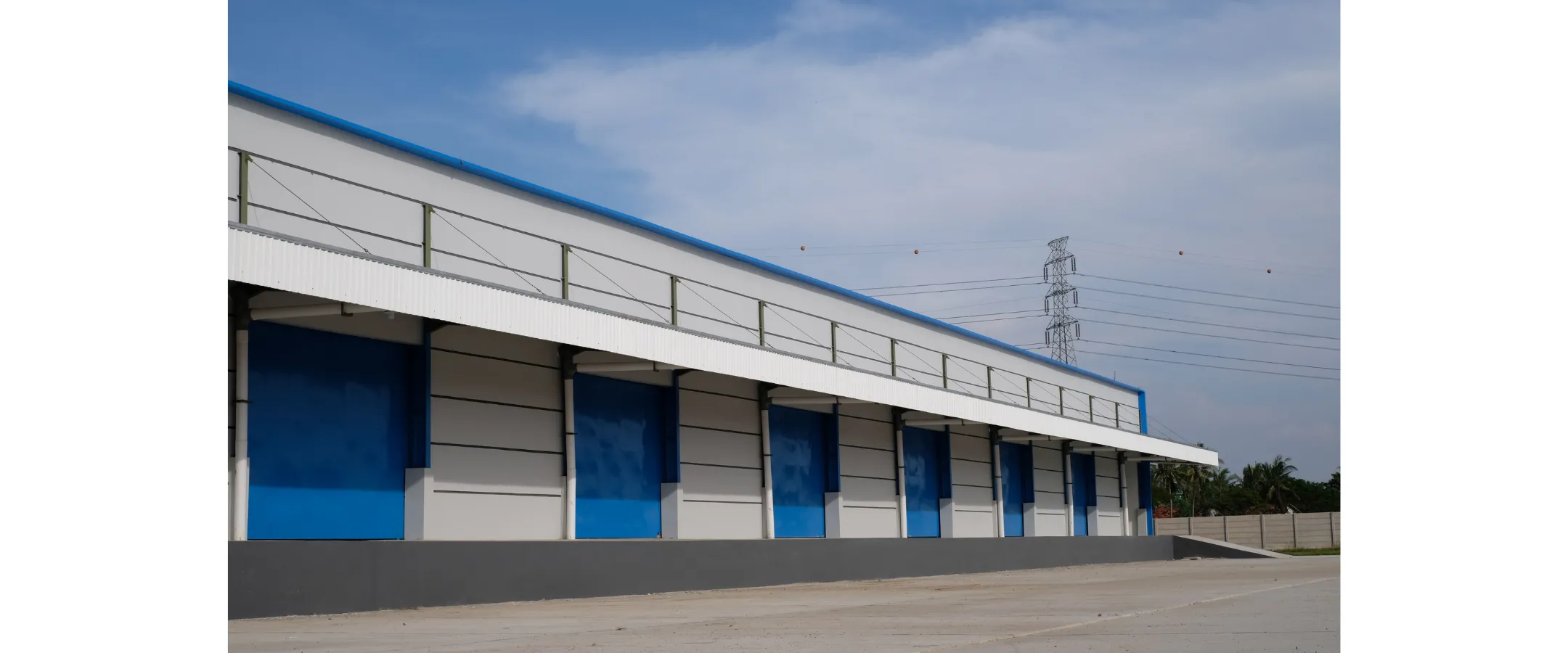
A modern warehouse is an evolution of traditional warehouses designed as an integral part of the logistics and supply chain system. This type of warehouse not only serves as a storage space but also supports various business operational activities.
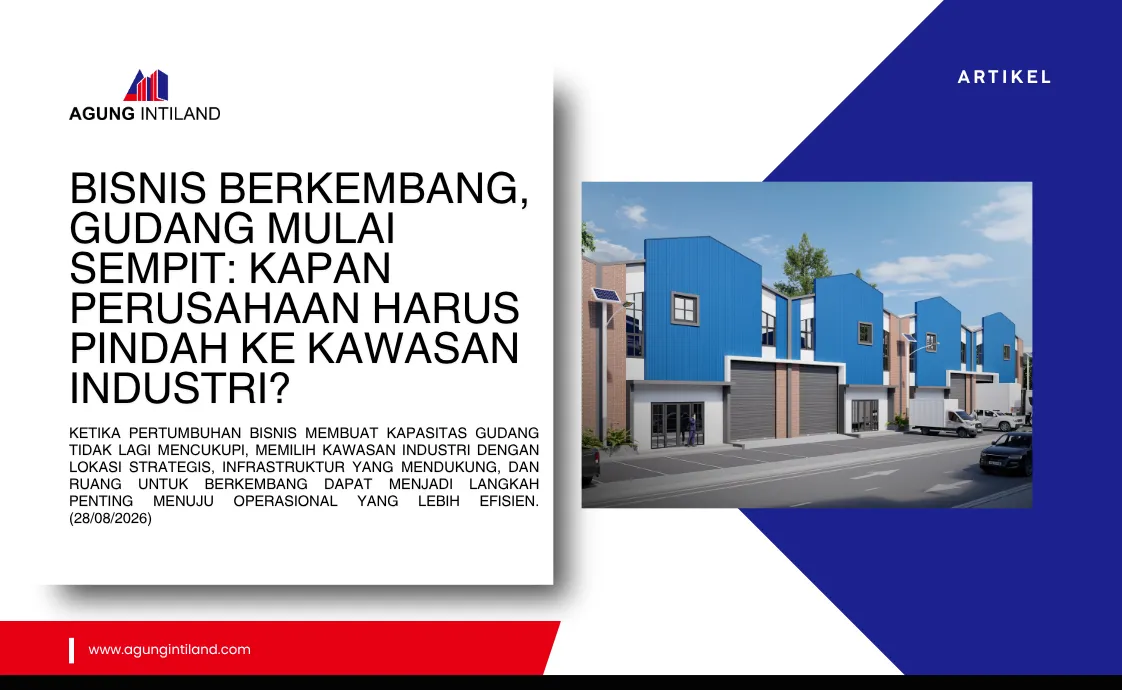
One example of a modern warehouse is Luxima Bizhub at Laksana Business Park, which adopts a multifunctional warehouse concept (4-in-1): warehouse, office, workshop/studio, and residence in one integrated building.
Characteristics of modern warehouses:
Differences Between Traditional and Modern Warehouses
1. Operational Function and Role
Traditional warehouses focus on storing goods. The process of goods in and out is often done manually and separate from other business activities.
Modern warehouses, on the other hand, are designed to support the entire logistics process, from storage, inventory management, distribution, to administrative functions in one location.
2. Technology and Infrastructure
Traditional warehouses generally have limitations in utilizing technology, both in terms of management systems and supporting infrastructure.
Modern warehouses like Luxima Bizhub are equipped with:
24-hour security system (CCTV & personnel)
One Gate System for access control
Underground electrical infrastructure
Fiber optic internet network
Loading and unloading facilities that support logistics operations
3. Efficiency and Productivity
Due to its manual system, traditional warehouses tend to have lower efficiency levels and are prone to operational errors.
Modern warehouses are designed to enhance productivity through efficient layout, support infrastructure, and integrated work functions that reduce operational time and costs.
4. Integration with the Supply Chain
Traditional warehouses usually stand alone and are less connected to broader distribution systems.
Modern warehouses are generally located in integrated industrial areas, such as Laksana Business Park, which offers:
Wide area road access
Connectivity to major distribution routes
Industrial environment that supports large-scale logistics activities
5. Business Value and Investment
Traditional warehouses tend to have limited added value due to their specific functions.
On the other hand, modern warehouses provide long-term business value, both operationally and in terms of investment, because they are flexible, adaptive to industry needs, and relevant to modern logistics developments.
Example of a Modern Warehouse: Luxima Bizhub at Laksana Business Park
Luxima Bizhub is a representation of a modern warehouse designed to meet current business needs. With a multifunctional concept in one building, Luxima Bizhub allows businesses to integrate storage, operations, and business management activities.
Advantages of Luxima Bizhub include:
4-in-1 modern warehouse concept
24-hour area security system
Modern area infrastructure
Access supporting logistics vehicles
Located in the integrated industrial area of Laksana Business Park
Conclusion
The difference between traditional warehouses and modern warehouses lies in their function, technology level, and integration with the supply chain. Traditional warehouses are still relevant for basic storage needs, while modern warehouses offer higher efficiency and flexibility for growing businesses.
Through Laksana Business Park, businesses have the flexibility to choose between traditional warehousing and modern warehouses like Luxima Bizhub, according to their business characteristics and scale. This approach makes Laksana Business Park an adaptive, inclusive industrial and warehousing area ready to support long-term business growth. (JP)
Disclaimer
This article is part of Agung Intiland's corporate communication and is prepared for public information and educational purposes regarding the development of the industrial area ecosystem.