Agung Intiland, June 18, 2026
When Saving Money Is No Longer Enough
Throughout 2026, people are faced with economic conditions that demand higher prudence in managing finances.
The rupiah exchange rate is under pressure against the United States dollar. At the same time, Bank Indonesia raised the benchmark interest rate to 5.50% as a measure to maintain economic stability and exchange rates.
The impact is starting to be felt in daily life. Business operational costs have increased, the prices of various needs have adjusted, and people's purchasing power is facing challenges that are not light.
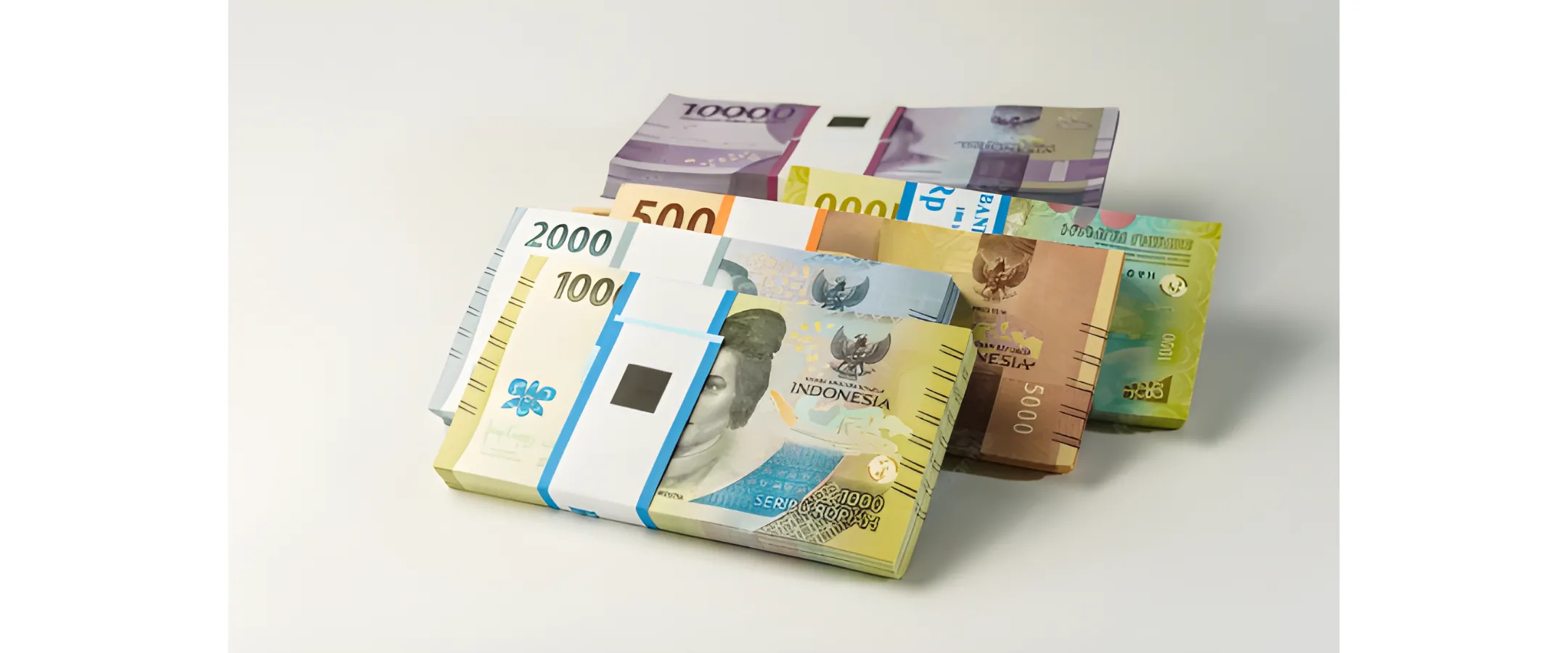
In situations like this, many people choose to store funds in instruments that are considered safe such as savings or deposits. In nominal terms, the value of savings has indeed increased. But the question is, does the value really grow?
In fact, when inflation and the cost of living increase faster than the growth in the value of savings, the purchasing power of the money has the potential to decline over time.
In other words, money that is only stored without being managed productively risks losing some of its value each year.
Where should funds be diverted?
This question is starting to arise among investors and business actors.
The stock market is still volatile following global sentiment. Bonds are facing pressure due to changes in interest rates. While residential properties do not always provide stable cash flow and still require maintenance costs.
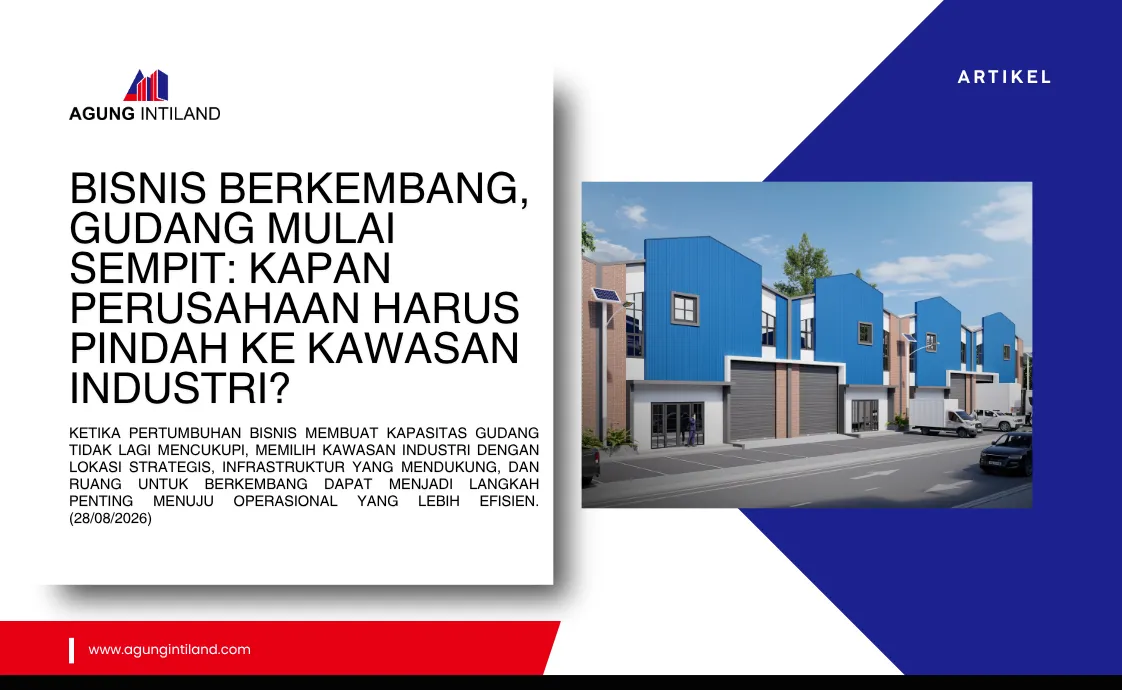
In the midst of these various choices, one type of asset has emerged that is attracting more attention, namely industrial property.
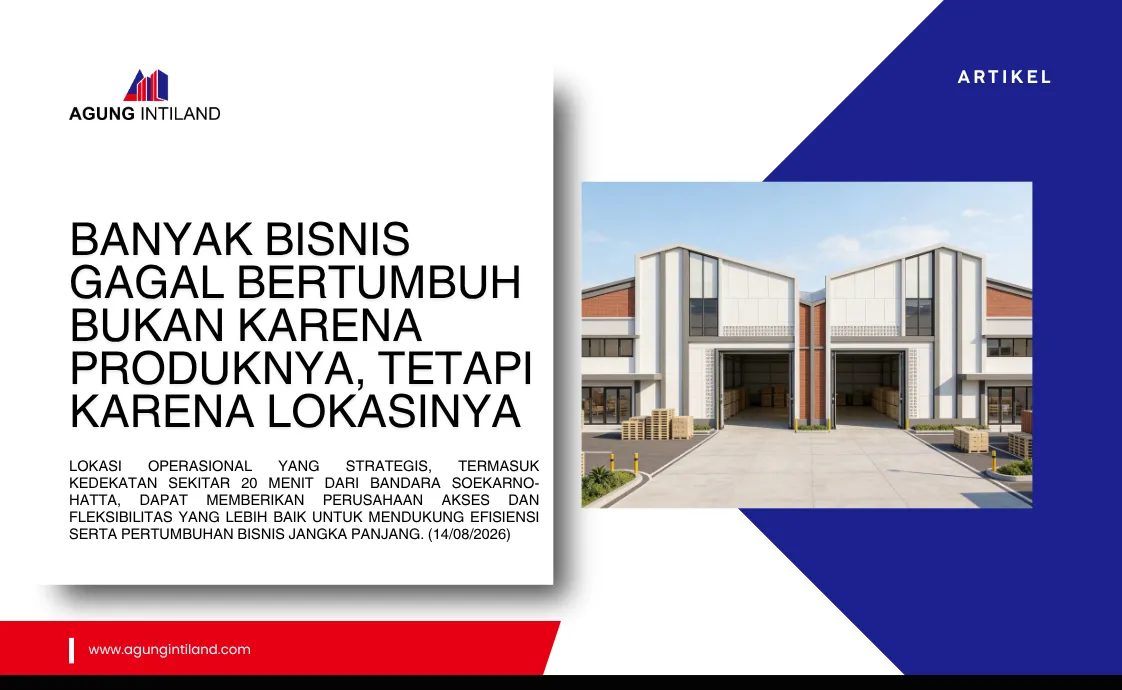
Ranging from industrial plots to modern warehouses in strategic business districts, this type of asset offers different characteristics compared to other investment instruments.
Assets That Not Only Store, But Also Work
One of the main advantages of industrial property is its ability to generate added value in a sustainable manner.
Warehouses and industrial buildings can be rented to business actors who need operational facilities. This means that assets not only have the potential to increase in value, but can also generate rental income on a regular basis.
In the midst of uncertain economic conditions, the existence of cash flows from real business activities is becoming an increasingly important factor for investors.
In addition, the demand for industrial and logistics space in Indonesia still shows a positive trend.
The growth of the manufacturing sector, the expansion of the e-commerce business, the increasing need for the distribution of goods, and the development of the national logistics industry continue to drive the need for ready-to-use warehouse facilities and industrial estates.
In contrast to assets that depend on market speculation, the demand for industrial property is born out of real business operational needs.
Not Just for Big Investors
There are still many who think that industrial estate investment is only intended for large companies or corporate-scale investors.
Even though currently, owning a warehouse unit or industrial plot can be a relatively measurable investment step for individuals and business actors.
These assets can be used for various needs, ranging from:
own business operations,
distribution center,
stock storage,
until it is rented back to other tenants.
This flexibility is what makes industrial property even more relevant in the midst of changing modern business patterns.
The Key Ones: Exact Location and Location
As with property investment in general, location remains a very decisive factor.
Investors need to pay attention to several important aspects such as:
Infrastructure that has evolved
Good accessibility to main roads and toll roads
Clear legality
Active business environment
Growth potential of the area in the long term
Regions that already have a running business ecosystem generally have a more stable opportunity for asset value growth because they are supported by real economic activity.
The value of assets does not grow because of speculation alone, but because it is needed by the business world.
It's Time to Consider Productive Assets
Dynamic economic conditions often change the way people view investments.
If previously the main focus was only on keeping funds safe, now more and more investors are starting to look for assets that not only protect the value of wealth, but are also able to generate direct economic benefits.
Industrial property is one of the attractive options because it is in the midst of business activities that continue to move—from manufacturing, logistics, distribution, to trading.
While many assets face uncertainty, the need for business space and operational facilities remains an important part of economic growth.
Opportunities in Growing Industrial Areas
The growth of industrial and logistics activities opens up new opportunities for investors who want to own productive assets with long-term potential.
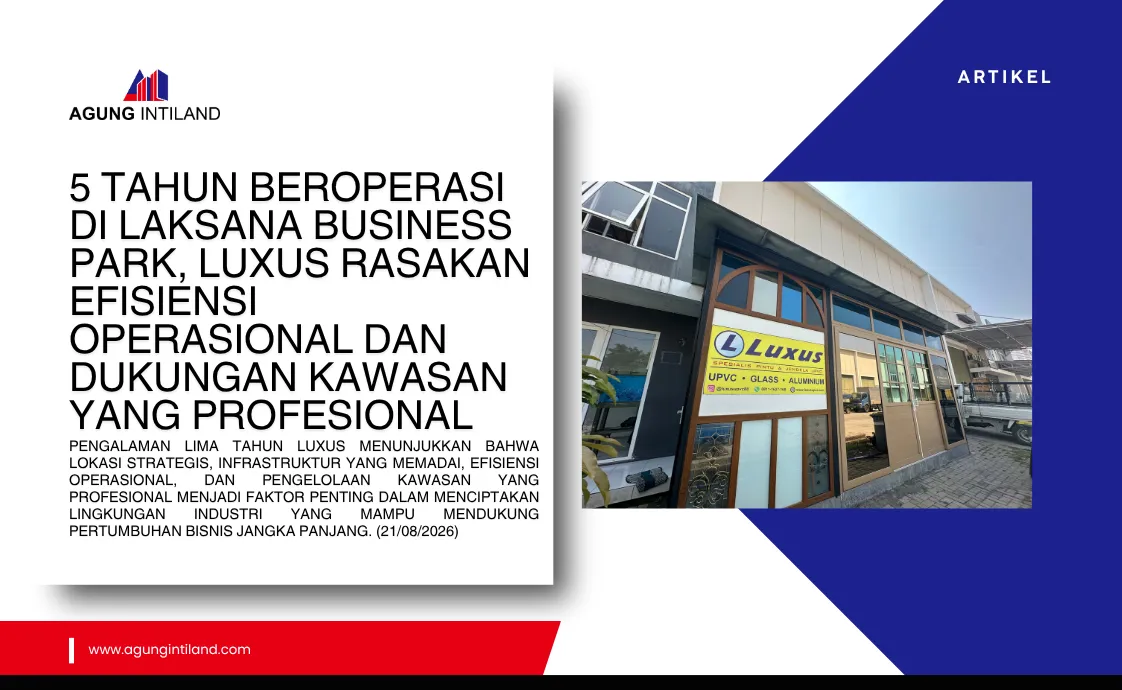
For those of you who want to find out more about the opportunities to own industrial plots or modern warehouses in a growing area, Laksana Business Park provides a variety of options that can be adjusted to your investment needs and business operations. (JP)
Consult your needs with the Laksana Business Park team for free and without commitment to get the information that best suits your business goals.